
Who was Joseph Wright of Derby?
A painter of light and dark
Meet the British artist whose shadowy scenes still captivate us over 250 years later
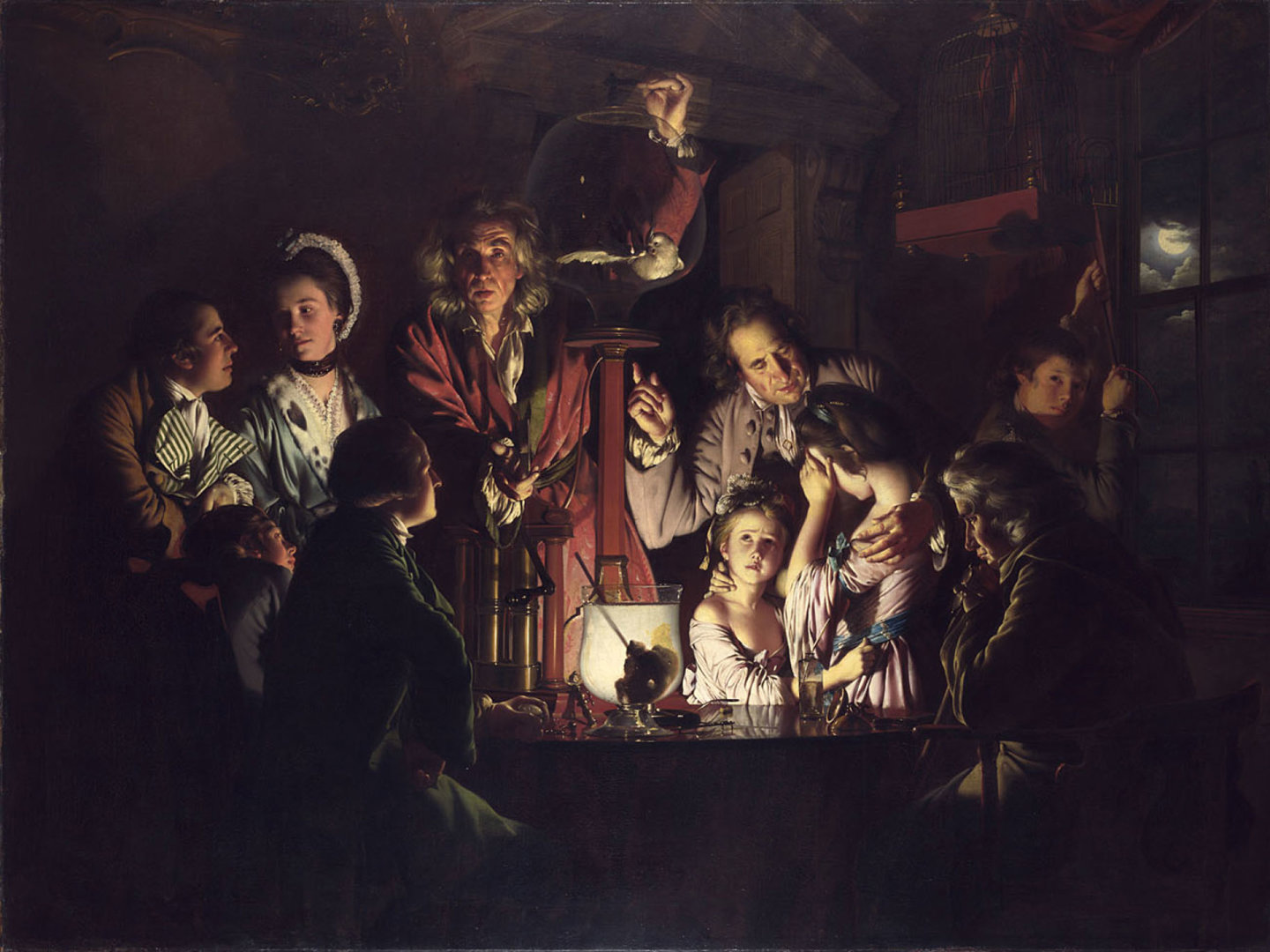
In the spring of 1768, Joseph Wright of Derby unveiled ‘An Experiment on a Bird in the Air Pump’ at the Society of Artists’ annual exhibition in London.
The painting was his most ambitious and dramatic to date. Since then, it has become one of the most beloved artworks of the 1700s.
So, who was the talented artist behind this famous work?
Made in Derby
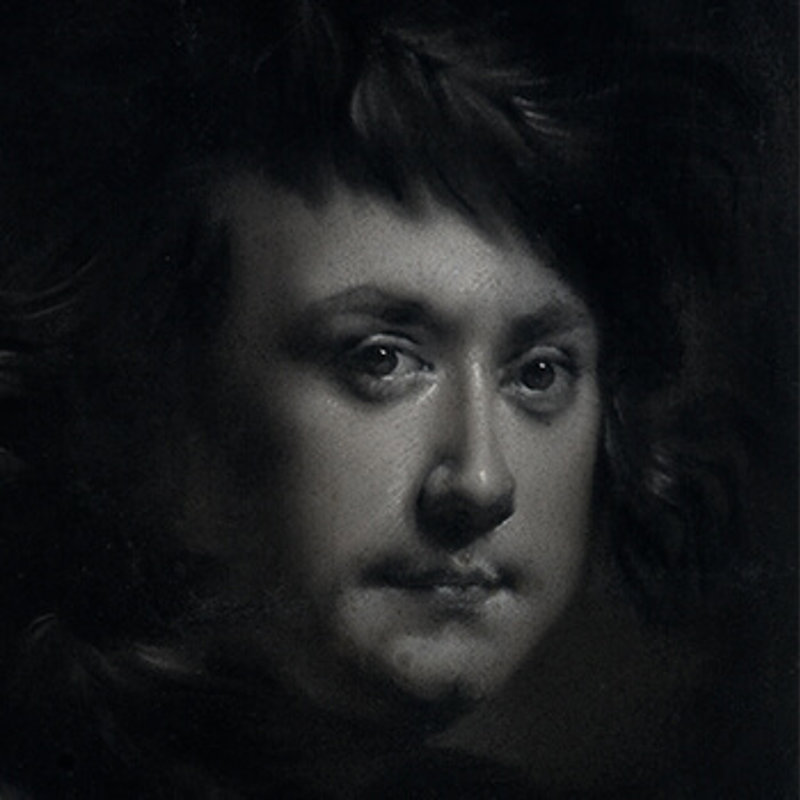
Born in 1734, Joseph Wright grew up in the thriving market town of Derby, in the East Midlands of England. For the rest of his life, he would be heavily linked to the area and its people.
At the time of Wright’s birth, Derby was becoming a leader of early industrialisation, partly because of its pioneering silk mills. Wright grew up with the Industrial Revolution on his doorstep and would paint the people and places connected to it throughout his career.
Wright was proud to come from Derby. His hometown was central to who he was.
Through his family and friends, he received encouragement and commissions, including for ‘The Air Pump’ and ‘A Philosopher Lecturing on the Orrery’, and he had a healthy customer base amongst the Midlands’ professional middle class and wealthy landowners.
In choosing to call himself ‘Wright of Derby’, he cleverly blended place and person to his advantage, signalling his loyalty to his home while setting him apart from other artists.
Notably, Wright was the first major British painter to work almost entirely outside the capital after his training. From early on in his career, however, he knew that London would be vital to his success.

Image: Joseph Wright 'of Derby', 'A Philosopher giving That Lecture on the Orrery in Which a Lamp Is Put in the Place of the Sun', exhibited 1766 © Derby Museums
London calling
Wright was almost 17 years old when he first moved to London to train as an artist.
Upon his arrival in 1751, he joined the studio of the prominent portrait painter Thomas Hudson. Among Hudson’s earlier pupils was Joshua Reynolds, now renowned as one of the greatest painters of the 18th century.
With Hudson, Wright learnt the art of portrait painting, mastering the careful depiction of textiles, skin and facial features. Portrait painting would be a commercial necessity for Wright and remained a crucial strand of his work for income, artistic ‘profile’ and networking purposes.
Wright soon realised however, that to raise his professional standing he had to broaden his range into other genres. With this, his famous candlelight pictures were born.
Experimenting with art
In the 1760s, a new culture of art and exhibition erupted in London. With the creation of institutions like the Society of Artists (1761) and later the Royal Academy of Arts (1768), public access to art widened rapidly.
Annual exhibitions showcased the very best works by both up-and-coming and well-established artists. Anyone who wanted to attend could visit, as long as they could afford a ticket costing 1 shilling. This was around £14 in today’s money – the same price as a ticket to our ‘Wright of Derby: Beyond the Shadows’ exhibition.
Through this new appetite for exhibitions, pioneering artists could play an increasingly important role in cultural life, as more people came to see and enjoy their art.
Wright and his contemporaries used these displays to experiment with unusual genres, styles and techniques. Responding to what their audiences liked best, they could tailor the work to suit the market trends of the day and cleverly adopt a signature style.
This is where Wright began his candlelight paintings, debuting his ‘Three Persons Viewing the Gladiator by Candlelight’ in 1765. Even in a competitive environment where many artists were showing their work, Wright’s dramatic paintings stood out.

Image: Joseph Wright 'of Derby', 'Three Persons Viewing the Gladiator by Candlelight', 1765, Private Collection. Photo © National Museums Liverpool
A painter of light and dark
What made Wright of Derby’s candlelit artworks so mesmerising?
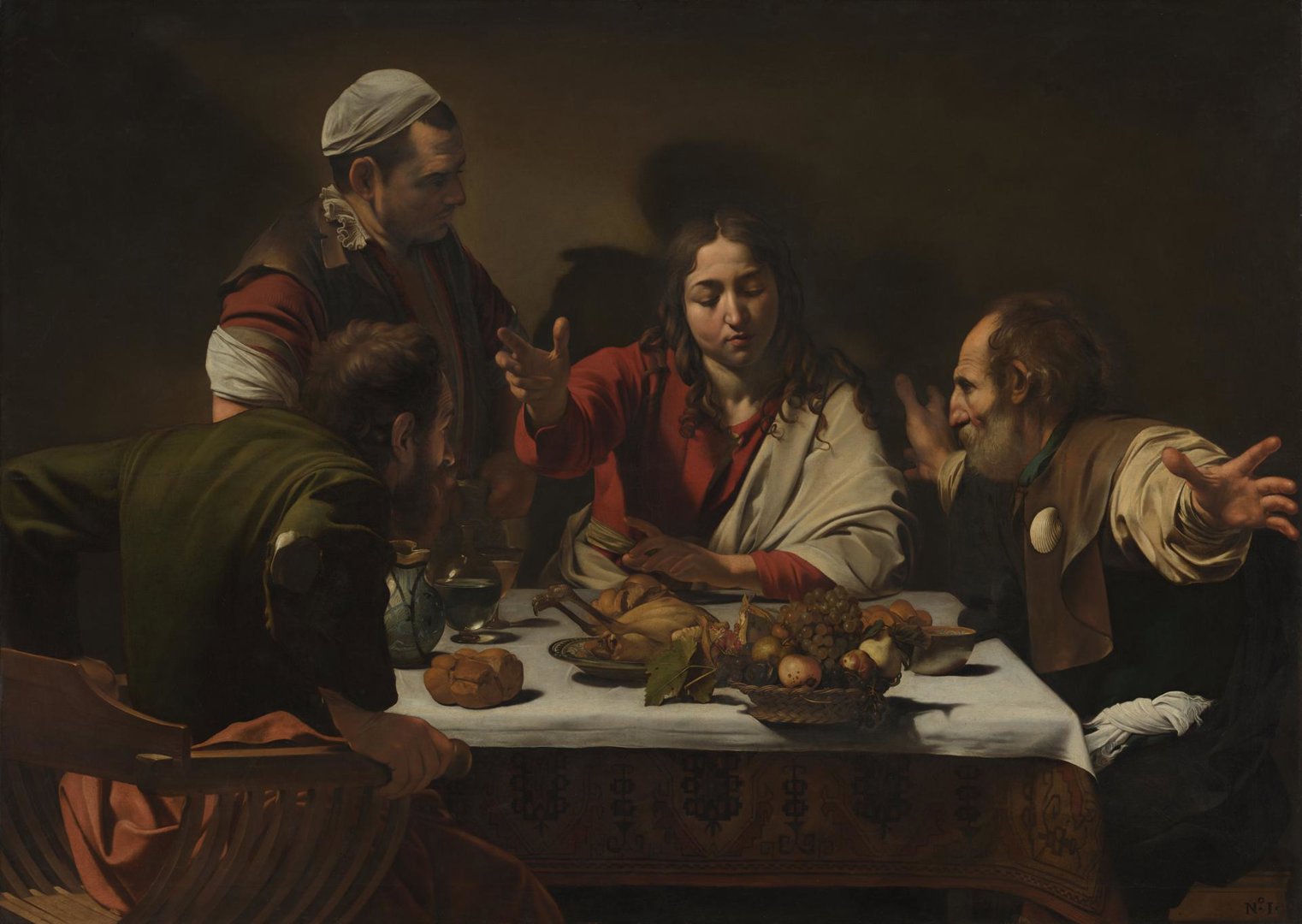
Taking inspiration from Europe, and especially Italy, he painted in a style known as tenebrism. This term comes from the Italian word ‘tenebroso’, meaning darkened or obscured. It combines realism with dramatic light and shadow in a painted scene.
This style was closely linked to the artist Caravaggio and his followers, known as Caravaggisti. It is uncertain if Wright of Derby would have seen any paintings by Caravaggio, but we know his artistic education would have included great European art of the past.
According to his niece Hannah, Wright would set up two rooms, one in darkness with objects and one in full light with the door open. With this set up, he could examine the dramatic play of light and shadows in the darkened space, and at the same time see his own canvas clearly in the well-lit room.
It's likely that Wright also found inspiration in the Dutch artist, Godfried Schalcken. Working in London in the 1690s, Schalcken was part of a long line of master candlelight painters, having been trained by Gerrit Dou, one of Rembrandt's most celebrated pupils.
Rembrandt is renowned for his dramatic use of lighting. In one of his most famous works, ‘Belshazzar’s Feast’, a moment of shock is skillfully captured in deep shadows and shafts of brilliant light.
This style was increasingly admired by collectors across Europe, yet few were painting like this in 18th-century Britain. When Wright began experimenting with this technique, he had little competition, achieving acclaim in Britain and beyond through the public display of his candlelight paintings. He boldly made the style his own by applying it to modern subjects, such as science lectures.
Helped along by London’s strong print market, mezzotint recreations of these works allowed his fame to grow, keeping his art in people’s minds long after the exhibitions had closed.

Wright's legacy
Throughout his life, Wright worked hard to be admired by regional, national and international audiences. He was experimental and expressive, painting characterful portraits and shadowy scenes that still excite audiences today.
After his exhibition of ‘The Air Pump’ in 1768, a review in the Gazetteer had noted: ‘Mr Wright, of Derby, is a very great and uncommon genius in a peculiar way.’
Many visitors to the National Gallery still feel the same way 250 years later, with ‘The Air Pump’ remaining one of the most loved artworks in the Collection.
Find out more
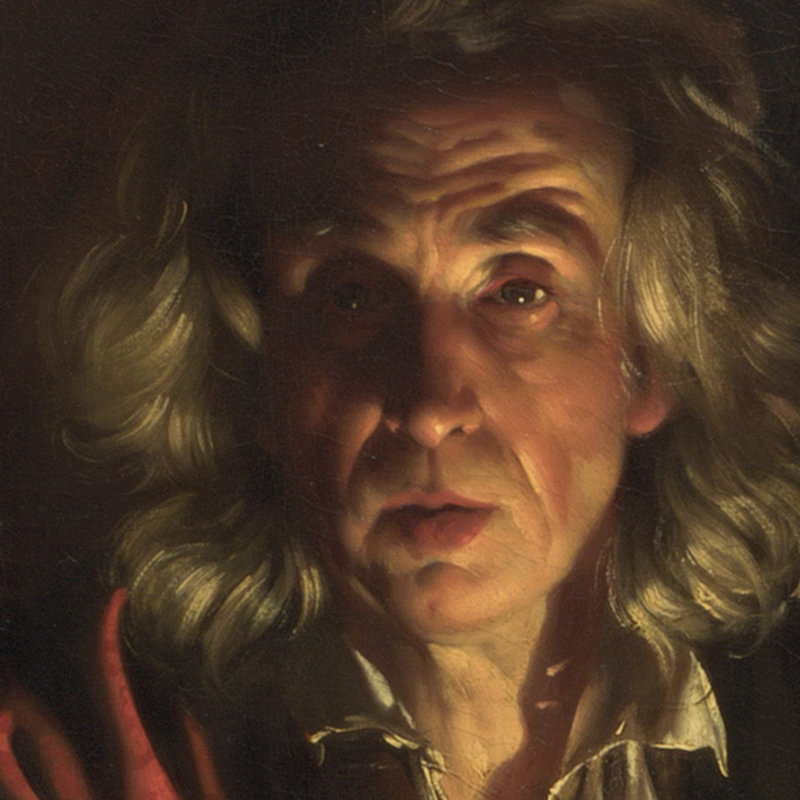
5 reasons to visit 'Wright of Derby: From the Shadows'
Step into the candlelit world of Joseph Wright of Derby and experience his greatest paintings.

Rembrandt's 'Self Portrait at the Age of 63'
Picture of the month January 2026
As we step into the new year, we look at mindful ways to enjoy Rembrandt’s timeless self portrait
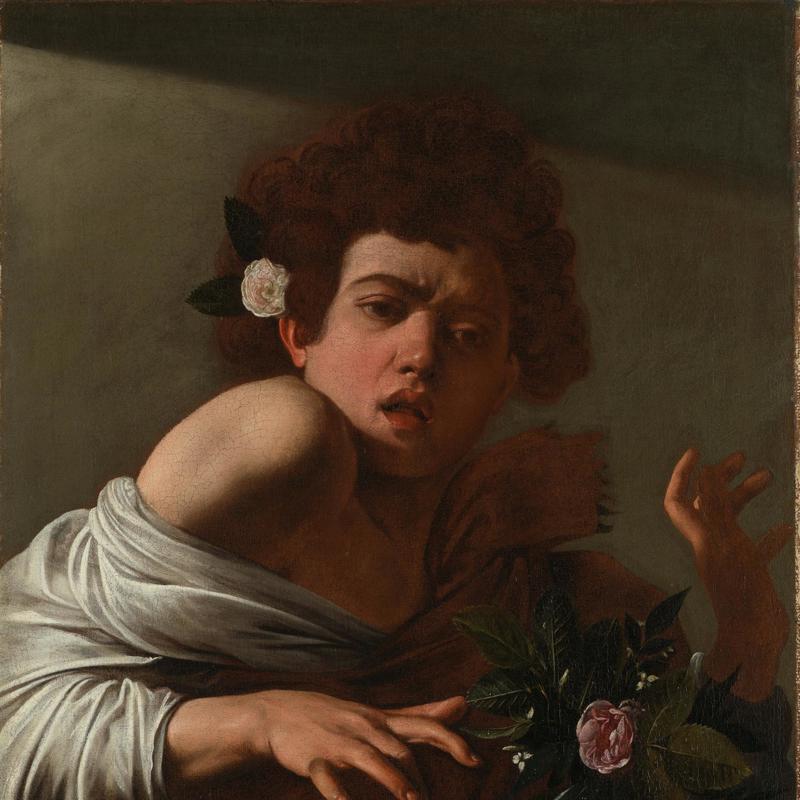
Caravaggio’s ‘Boy bitten by a Lizard’
Picture of the month June 2025
Through a real-life recreation of Caravaggio’s ‘Boy bitten by a Lizard’, writer and performer Holly James Johnston explores some of the different interpretations this intriguing painting has inspired
