
Catharina van Hemessen's 'Portrait of a Woman'
Picture of the month March 2026
Catharina van Hemessen is the earliest European woman painter whose works can be identified without doubt. She was just 23 years old when she created this small, intricate 'Portrait of a Woman’ in 1551.
In a time where very few women worked as artists, van Hemessen painted with confidence and skill, proudly signing her name on nearly all of her works.
Though we don’t know who the sitter in this artwork was, her soft brown eyes and slight smile draw us in. Imagine her chatting to van Hemessen as she sat for her portrait, sharing a rare moment of creative connection between two women in the 16th century.
For International Women’s Day 2026, we interviewed curator Dr Christine Seidel to ask...
1. What makes this painting so special?
Despite its small size, this painting holds a very special place at the National Gallery: it is the earliest painting by a woman painter in the collection. Signed and dated, it is a true masterpiece that shows Catharina van Hemessen at her best.

2. Which is your favourite detail and why?
A wonderful detail is the lap dog that the woman carries by her side. It was common for women to have their portrait painted alongside their favourite companion during this period.
Here, the dog takes on its own personality. The way in which she holds him suggests he did not want to sit still in her lap but wanted to be tucked under the arm. The bells on his collar would jingle with every move. The liveliness is somehow captured in the way van Hemessen characterises the white and bright orange fur and whiskers.
They are painted ‘wet in wet’, a quick way of layering paint and brushstrokes on top of other paint layers that are not fully dry. The wet paint can be dragged and blended to create a lively mixture of textures and colour.
3. What three things do you think people should know about Catharina van Hemessen?
Firstly it’s important to know that she worked in Antwerp, one of the most vibrant artistic centres in 16th-century Europe. The city was a hub for banking, luxury goods like paintings and tapestries, international trade and innovative thinking. The opportunities created a certain liberal atmosphere.
This influenced attitudes towards the education of girls and the legal status of women within society. The social circles and networks of van Hemessen’s father, who was himself one of the most sought-after painters of the day, allowed her to enter a world that was otherwise rarely accessible to women.
Secondly, she was a literary figure during her own lifetime, which is unusual. One of the reasons we know of Catharina van Hemessen today is the fact that a very influential writer mentions her in his ‘Description of the Netherlands’, published in 1567.
The author was a Florentine merchant named Ludovico Guicciardini, who had lived in Antwerp not too far from the family’s home. Guicciardini included van Hemessen among the well-known and gifted women painters working in Antwerp, mentioning her by name.
This, together with the intriguing fact that she went to Spain as a lady-in-waiting to Mary of Hungary, regent of the Netherlands, may have made her even more famous amongst art lovers.
Thirdly, it's important to note that she probably only worked for a few years, between 1548 and 1555 at the latest. During this time, it’s likely she did not run a workshop as a professional painter but rather worked within the network of her father’s workshop. Here she had the opportunity to learn about the craft and come in contact with potential clients as well.
4. Why do you think she signed so many of her works, including this picture?
The main purpose of signing an artwork is to identify its author, and this is never done for its own sake, but for the audience.
We think of an artist’s signature as an expression of self-assertion. That's a modern idea, which still tells us something about the relation between the painter and their work.
In van Hemessen’s case, we can easily imagine that the self-portrait she painted, the earliest dated work, was both an image of her likeness and a demonstration of her skill. It could only have been intended for an audience that was likely to be found in the circle of her father's clients or colleagues. Today, this painting is in the collection of Kunstmuseum Basel in Switzerland.
In 'Portrait of a Woman', we do not know who the young woman that Catharina van Hemessen depicted is. She must be of noble birth, or a member of a wealthy family, as her costly dress suggests. The twin rings on her left pinky finger, one with a red and the other with a blue gemstone, make it highly likely that it was intended as a commemorative portrait, which would have been gifted to a husband or a close friend.
The signature states that ‘Catharina van Hemessen painted [it]’ in 1551 and can be read as a sign of pride in the artist’s work. She uses a similar signature on her 'Portrait of a Man', also in the National Gallery's collection.

5. How difficult was it to be a woman artist in 16th-century Europe?
It certainly wasn’t easy to be a woman artist in Europe at that time. Professions in most cases were not really a choice, but passed on through family tradition, especially among artisans.
As a rule, women were not allowed to work as professionals outside the home. When they did, they often had to navigate within tight legal constraints (i.e. being able to sign contracts, among other things).
Women who ran workshops and were registered in the guild, where they were able to access the market, were usually widows of deceased former members and shop owners. Though, it was not impossible for a woman to work as a painter.
Those woman painters who are known today, like van Hemessen, either moved outside of these professional networks to work for kings and queens, which also meant a change in social status, or were very much part of a running workshop.
6. Why is it important to share Catharina van Hemessen’s story and can we see her influence anywhere in the modern day?
Perhaps the most important thing about her story is that we can still tell it today. This is not the case for many other women painters of the time who worked in their fathers’ or husbands’ workshops under the mantle of anonymity.
It is an astonishingly rare case of a woman painter in the 16th century with a surviving and identifiable body of work. Her story deserves attention, close looking and will hopefully spark the desire to learn more about her.
The ‘Portrait of a Woman’ is an excellent example that shows her skills as a portraitist at its best. There are only a few signed works by her hand that show her talent and ambition as clearly and unapologetically as this one. They form the basis of how we can uncover her artistic temperament.
In addition, her self-portrait appears to have become synonymous with the ‘woman painter’ in early modern Europe. This is mostly because it is the earliest that we know of any female painter today. Although this picture is very well known, there is still a lot of mystery surrounding her life – we don't really have a clear idea of who she was, what she did in Spain with Mary of Hungary’s court, or exactly when she died.
See Catharina van Hemessen’s works united at the National Gallery
In spring 2027, the first ever exhibition in the UK solely dedicated to the painter Catharina van Hemessen will open at the National Gallery.
'Catharina van Hemessen' (4 March – 30 May 2027) will aim to bring together most of her signed paintings for the first time. Curated by Dr Christine Seidel, the free exhibition with showcase a pivotal moment in the history of art.
Exhibition organised by the National Gallery and the Museum Snijders&Rockoxhuis, Antwerp.
More like this
Turner's 'The Parting of Hero and Leander'
Picture of the month February 2026
Rembrandt's 'Self Portrait at the Age of 63'
Picture of the month January 2026
Bartolomeo’s 'The Virgin and Child with Six Angels and Two Cherubim'
Picture of the month December 2025
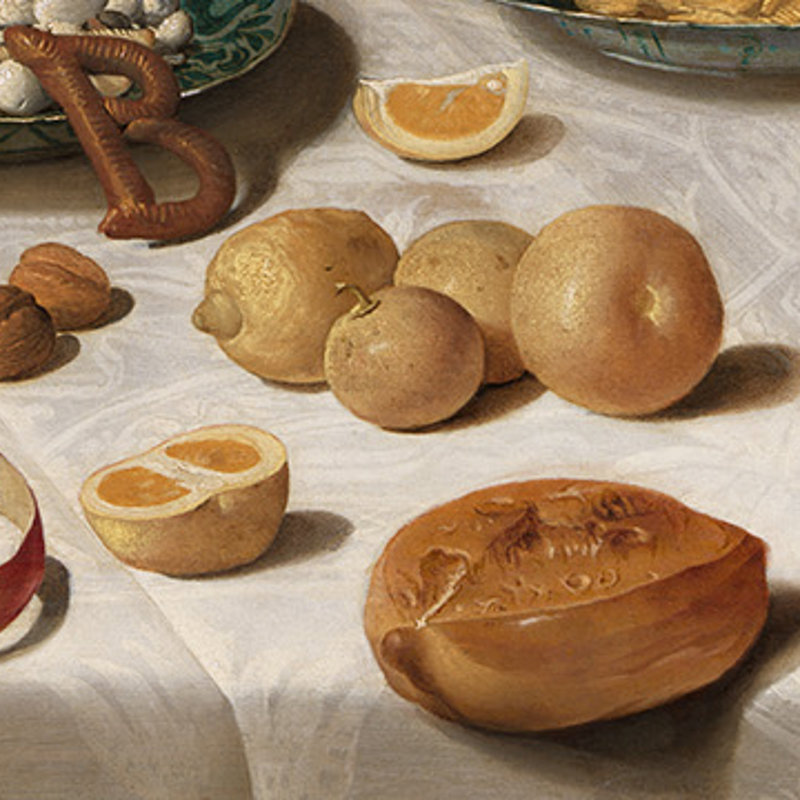
Floris van Dijck’s 'A Banquet Still Life'
Picture of the month November 2025
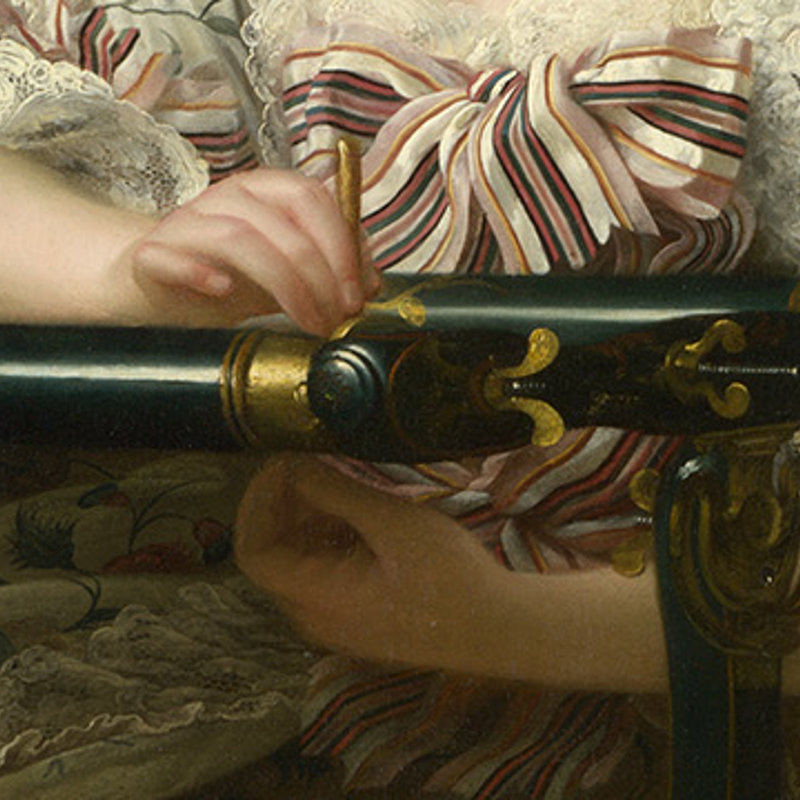
François-Hubert Drouais’ 'Madame de Pompadour at her Tambour Frame'
Picture of the month October 2025
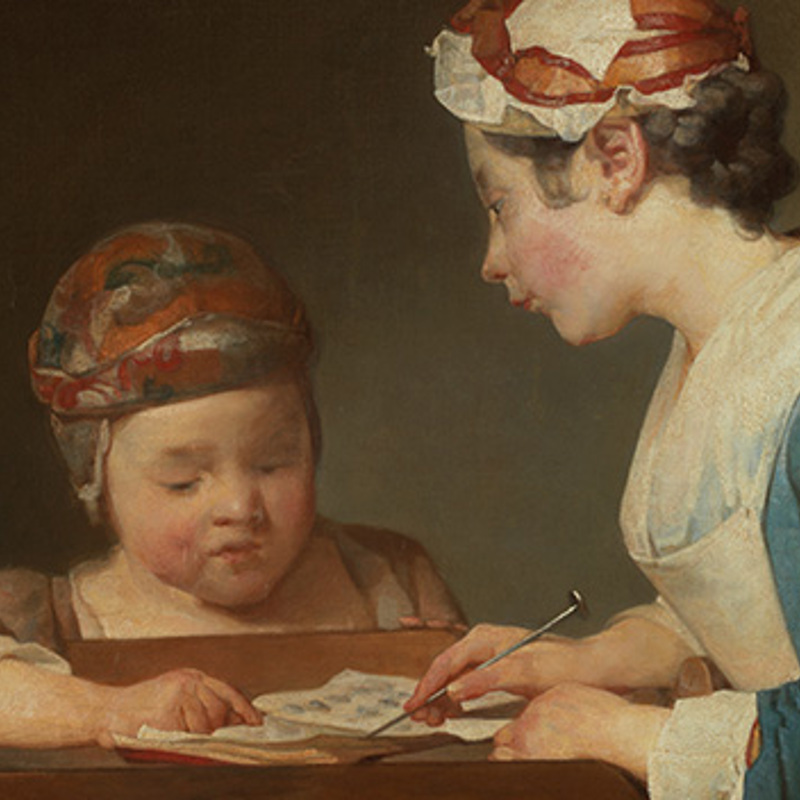
Jean-Siméon Chardin's 'The Young Schoolmistress'
Picture of the month September 2025
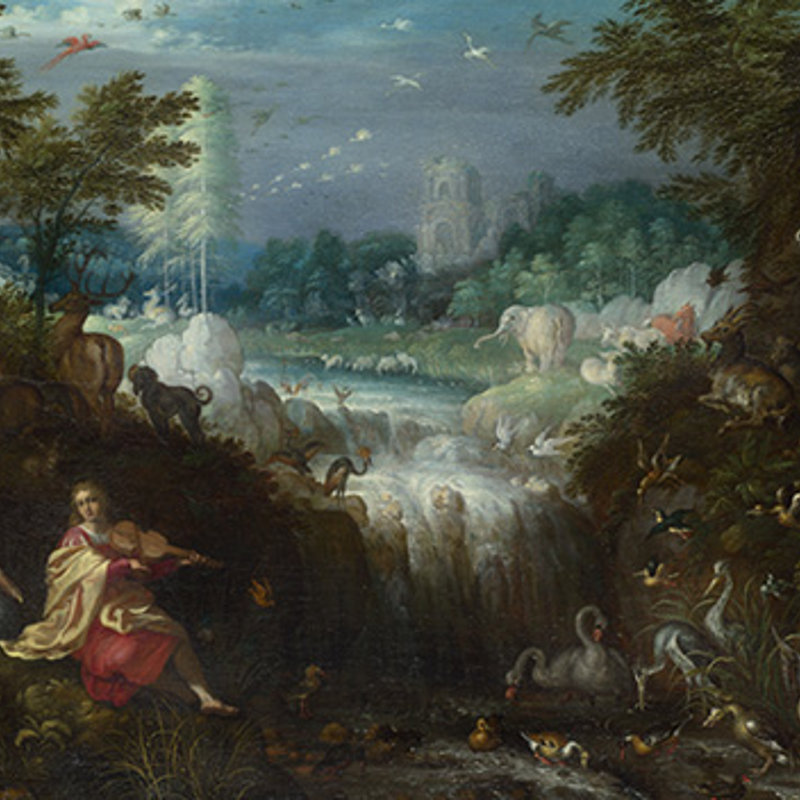
Savery's 'Orpheus'
Picture of the month August 2025
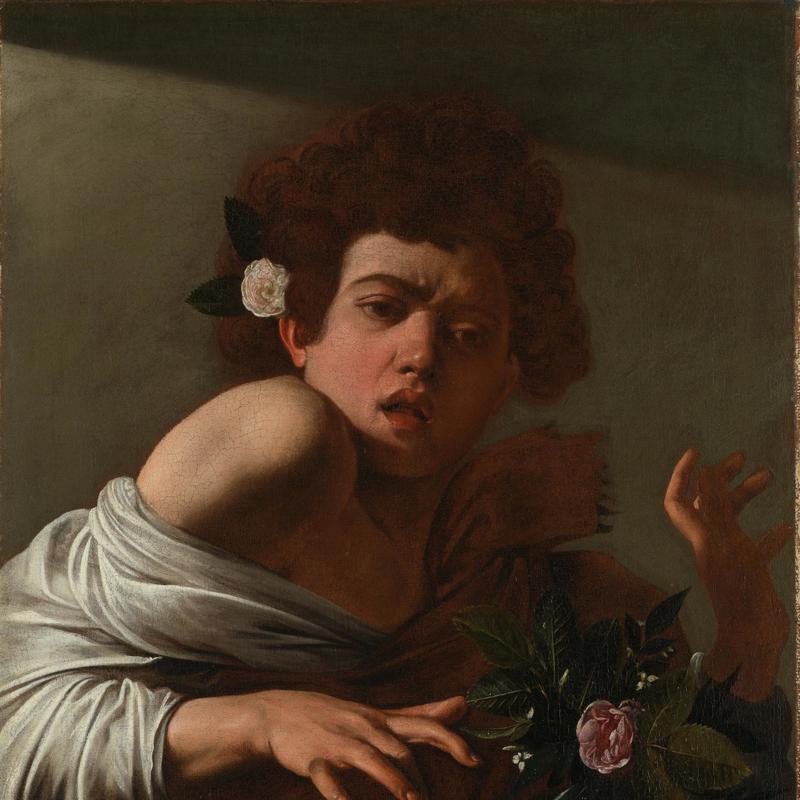
Caravaggio’s ‘Boy bitten by a Lizard’
Picture of the month June 2025
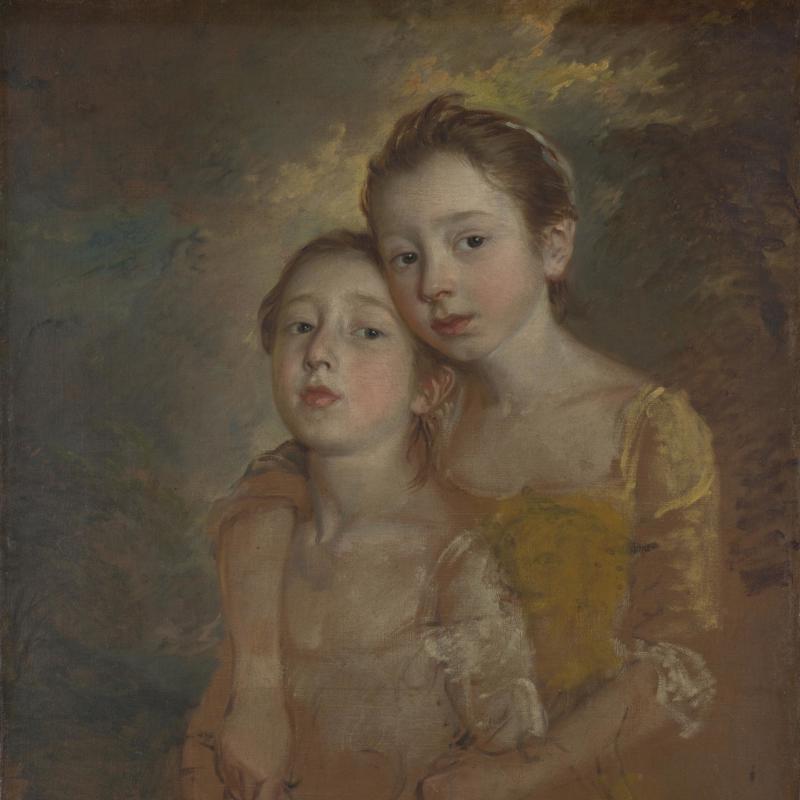
Gainsborough's 'The Painter's Daughters with a Cat'
Picture of the Month May 2025
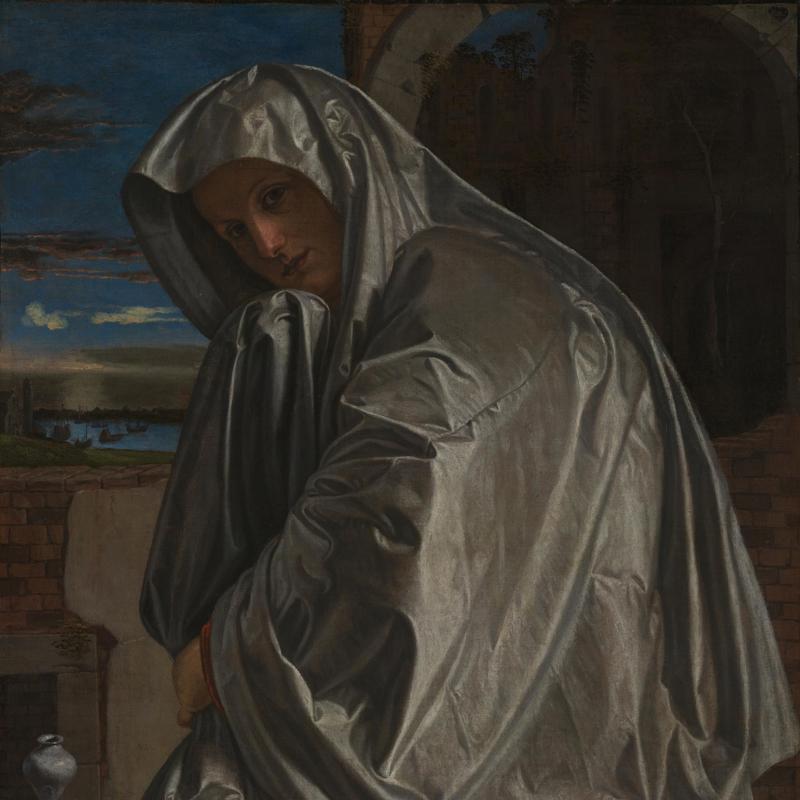
Savoldo's 'Mary Magdalene'
Picture of the month April 2025